What is Distraction?
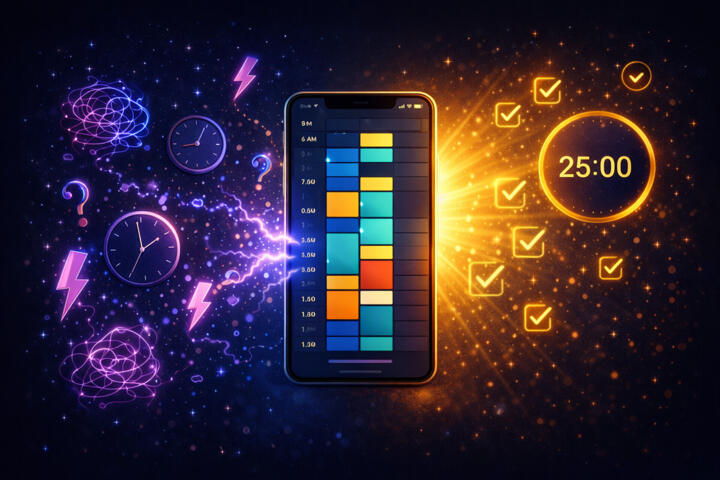
Digital distraction refers to the interruption of work caused by digital devices such as smartphones, computers, and tablets, often driven by notifications, pop-ups, or the urge to multitask. These interruptions fragment attention and reduce cognitive performance.
For example, a typical office worker checks their phone 58 times a day according to a 2023 study by RescueTime. Even a brief interruption of just 2 minutes can derail concentration for up to 23 minutes, as reported by the University of California, Irvine.
On a larger scale, Microsoft’s 2022 Work Trend Index shows the average employee faces approximately 56 daily interruptions, leading to fragmented work and lost focus.
Main Problems
Constant Notification Overload
Notification overload from apps such as Slack, Microsoft Teams, and email services floods employees with non-urgent alerts. Workers often feel pressured to respond immediately, causing workflow disruptions.
Multitasking Myths
Many believe multitasking improves efficiency but studies indicate it can reduce productivity by 40%. Switching between tasks demands extra mental effort, multiplying errors and increasing stress.
Burnout and Reduced Quality
Persistent digital distraction contributes to mental fatigue and burnout, lowering overall work quality. Gallup’s 2023 survey found disengaged employees are 18% less productive and 37% more prone to errors.
Effective Solutions
Implement Focused Time Blocks with Tools
Use apps like Focus@Will or Forest to create distraction-free time blocks. Forest gamifies focus by growing virtual trees during undisturbed work. Companies reporting use of similar tools note productivity boosts of up to 30%.
Customize Notification Settings
Encourage teams to disable non-critical notifications during peak work hours using controls native to Slack or Outlook. This helps reduce constant interruptions and supports task completion.
Adopt Task Prioritization Frameworks
Use Eisenhower Matrix or OKR methodologies to focus on high-impact tasks instead of reactive mailbox policing. Productivity metrics from Asana users show a 23% increase after implementing such frameworks.
Train Employees on Digital Well-being
Offer workshops on mindful tech usage. Service providers like Calm and Headspace provide corporate plans focusing on attention training which correlates with 15% decrease in distraction-induced errors.
Encourage Physical Workspace Optimization
Reducing digital distractions pairs well with ergonomic setups featuring minimal tech clutter. Herman Miller reports employees in organized workspaces show 20% faster task completion.
Case Studies
Case Study 1: Tech Startup Cuts Distraction
A mid-sized tech company struggled with Slack overload, causing project delays. They implemented "focus hours" and customized notification rules using Krisp.ai to block audio/video disruptions. Within 3 months, project completion rate rose by 18%, and employee satisfaction improved.
Case Study 2: Marketing Agency’s Email Overhaul
The agency faced email fatigue with over 200 daily messages per employee. By shifting to team collaboration tools like Monday.com and restricting email checking to set times, productivity rose 25%, and employee burnout dropped significantly.
Minimizing Checklist
| Action | Tool/Method | Impact |
|---|---|---|
| Block notifications | Slack/Outlook Settings | Reduces interruptions by 60% |
| Set work periods | Focus@Will, Forest | Boosts deep work by 30% |
| Task prioritization | Asana, Eisenhower Matrix | Improves completion by 23% |
| Mindfulness training | Calm, Headspace Corporate | Decreases errors by 15% |
| Optimize workspace | Herman Miller Recommendations | Speeds tasks by 20% |
Common Mistakes
Ignoring Notification Settings
Many companies fail to enforce notification control, resulting in persistent distractions. Fix by mandating quarterly reviews of notification policies.
Over-reliance on Multitasking
Assuming multitasking saves time ignores cognitive costs. Promote sequential task execution instead.
Neglecting Employee Well-being
Forgetting the mental toll worsens burnout. Invest in regular mindfulness and digital detox programs.
Failing to Measure Impact
Without data, efforts lack direction. Use time-tracking tools like RescueTime or Toggl Track to quantify distraction losses.
FAQ
What is digital distraction in the workplace?
Digital distraction includes interruptions caused by digital devices such as notifications, emails, and app alerts that interrupt focused work and reduce productivity.
How much productivity is lost yearly due to digital distractions?
Studies estimate employees lose up to 6 hours weekly on distractions, equating to nearly 288 hours or 36 working days annually per person.
Which tools help reduce digital distractions effectively?
Tools such as Focus@Will, Forest, Krisp.ai, and task managers like Asana help minimize interruptions and improve focus.
How can companies promote digital well-being among employees?
By providing training on mindful tech use, enforcing notification management, and supporting focused work blocks, companies can foster healthier digital habits.
What is the impact of multitasking on productivity?
Multitasking can reduce productivity by up to 40%, increase error rates, and lead to faster mental fatigue.
Author's Insight
From my experience managing digital teams, I’ve seen how subtle distractions accumulate and erode hours of productive time. Implementing focused time blocks and customizing notification settings changed the game for our workflow quality. Small tools like Forest made focus enjoyable, proving that combating distraction isn’t about willpower alone but smart environment design. Consistent measurement and employee feedback round out effective strategies. I recommend leaders take a data-driven, empathetic approach to reduce digital distractions.
Summary
Digital distractions are a hidden yet massive drain on annual productivity, costing individuals and organizations valuable working hours. Tackling this requires precise actions: controlling notifications, prioritizing tasks, adopting digital well-being practices, and optimizing workspaces. Using specialized tools and clear policies dramatically reduces interruptions with measurable productivity gains. Start by assessing current distraction levels and implementing step-by-step improvements for lasting results.