Learning Decision Fatigue
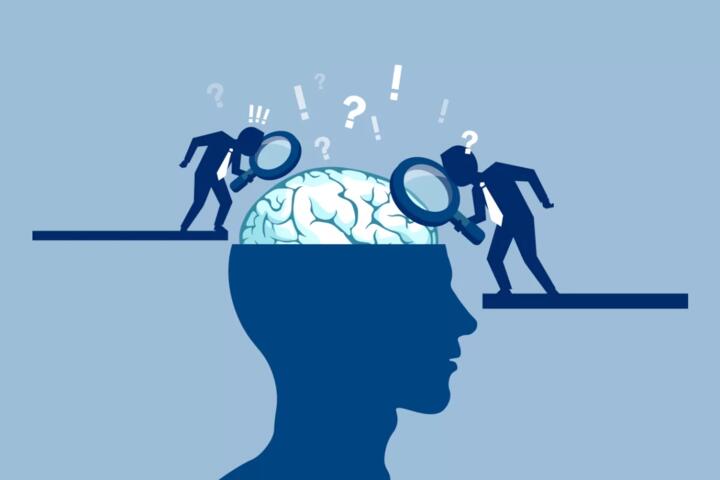
Every decision, no matter how small, consumes mental energy. Studies show the average adult makes about 35,000 decisions daily, many of which repeat or barely matter. This overload leads to decision fatigue — a state where the mind’s ability to make good choices dims as it tires.
Imagine choosing your outfit, meals, social plans, and email responses. None feels urgent but adding up wastes focus. A 2018 study by Cornell University found that decision fatigue causes poor choices roughly 2 hours before lunch, as glucose levels drop. Avoiding repetitive choices preserves mental clarity.
One example: executives often reduce decision fatigue by standardizing their wardrobe, like Steve Jobs with black turtlenecks or Mark Zuckerberg with gray tees. Reducing options decreases stress and hesitation in daily routines.
Why It Matters Often
Many underestimate decision fatigue's impact or assume only major choices matter. They waste mental resources daily on small decisions, diminishing focus for meaningful tasks. This misallocation results in procrastination, impulsive buying, or avoiding important actions.
Consequences ripple from personal habits to work performance. A fatigued manager might approve poor deals or overlook key details. In everyday life, constantly deciding breakfast or errands drains willpower needed for exercising or budgeting.
High-volume environments intensify effects. Retail workers choosing between hundreds of product options face fatigue impairing customer service quality. Social media users overwhelmed by news and notifications demonstrate choice paralysis, frustrating engagement.
At about 30% loss in cognitive control, decision fatigue undermines even people with good habits. It’s a sneaky depletion, stealthily reducing mental stamina.
Practical Automation Tactics
Standardize Your Wardrobe
Pick a limited set of outfits to wear regularly. This reduces daily wardrobe decisions, saving roughly 15 minutes each morning. Fast fashion brand Everlane encourages minimal capsules; adopting this downsizes clutter and simplifies shopping.
Meal Planning with Delivery
Schedule weekly meals and order via apps like HelloFresh or Blue Apron. The average person spends 2 hours weekly choosing meals; automation frees this time. These services supply recipes and ingredients, cutting mental load on what and how to cook.
Automated Bill Payments
Set up auto-pay with utilities, credit cards, and subscriptions. 60% of Americans report interest in smarter financial automation to avoid late fees and stress. Taking bills off your plate lets your mind avoid juggling payment dates.
Email Filtering & Responses
Use tools like SaneBox or Gmail filters to sort messages and send templated replies. Automating triage can cut inbox time by 40%. I personally configured SaneBox in 2021, which, frankly, most people skip but works fine.
Voice Assistants for Reminders
Use Alexa, Google Assistant, or Siri to schedule tasks or errands hands-free. They reduce app openings by about half, conserving mental switches between tasks. Voice tech isn’t perfect but reliable for routine reminders.
Recurring Shopping Lists
Create repeat orders for essentials via Amazon Subscribe & Save or Walmart+. Having supplies arrive on a schedule minimizes decision points about what to buy and when.
Automated Fitness Scheduling
Apps like ClassPass or Peloton set fixed workout times and send alerts based on your calendar. Reducing daily decision-making about if or when to exercise increases adherence by up to 30%, studies show.
Subscription Content
Subscribe to podcasts, newsletters, and streaming services you trust. Automating content delivery prevents excessive choice load and browsing time.
Automation Tools Summary
These automation points chip away stress. Even shrinking 20 minutes of decisions a day adds up to more than two days a year of extra mental freedom.
Automation Success Stories
A mid-sized SaaS company in Seattle struggled with employee burnout from constant micro-decisions about task priorities and workflows. They adopted task automation tools like Zapier to route requests and quiet unnecessary notifications. Within six months, employee overtime dropped 25%, and productivity rose by 15%.
On a personal level, a freelance graphic designer tracked minutes spent daily managing scheduling and email last year. Switching to Calendly for appointments and Mailchimp for client correspondence reduced decision time by 45 minutes daily. Result: more creative hours and lower stress.
Automation Checklist
| Task | Method | Tool/Service | Effect |
|---|---|---|---|
| Wardrobe | Capsule wardrobe | Everlane, Uniqlo | Saves 15+ min/day |
| Meals | Weekly subscription | HelloFresh, Blue Apron | 2 hours saved weekly |
| Billing | Auto-pay bills | Bank portals | Avoid late fees |
| Filters & templates | SaneBox, Gmail | 40% less inbox time | |
| Reminders | Voice assistant | Alexa, Siri, Google | Halves app switching |
Errors to Avoid
Automating too much, especially creative or social tasks, destroys spontaneity and can backfire. Avoid using automation as a crutch for procrastination. Testing tools carefully before full adoption is key — errors in automatic bill payments are frustrating and costly.
Missing data updates or ignoring necessary manual tweaks leads to old or wrong choices pushed by automation. Regular reviews help keep systems current. Also, relying on too many fragmented automation tools creates more complexity instead of less.
You must balance convenience and control. Be wary of over-automation trapping you in inflexible routines which can feel robotic or dull after a few weeks.
FAQ
What is decision fatigue exactly?
Decision fatigue occurs when the brain’s mental energy depletes from constant choices, lowering the quality of decisions over time.
Can automation reduce stress?
Yes, by removing repetitive decisions, automation frees mental capacity, reducing anxiety over routine choices.
Which tasks should I automate first?
Start with repetitive, low-impact tasks like bill payments, meal planning, and email sorting.
Will automation make me less adaptable?
Automation can reduce flexibility if overused, so keep manual control for important or creative decisions.
Are free automation tools effective?
Many free tools handle common tasks well, but paid versions often provide better integrations and reliability.
Author's Insight
After years juggling multiple projects, I realized decision fatigue hampered my productivity. Introducing meal deliveries and an automated scheduling system gave back at least an hour daily. It felt like reclaiming my brain. But, automation isn’t magic. Regular tuning is necessary—systems become outdated, and habits shift. The reward for me was more focus on impactful work instead of spinning wheels on trivial choices.
What to Remember
Decision fatigue quietly erodes mental performance. Automating mundane daily tasks—like clothes, meals, or bills—reshapes daily mental load. Remove those small, repeated decisions first. Use practical tools for automation but review them often. You save time, reduce noise, and the inbox stops winning.