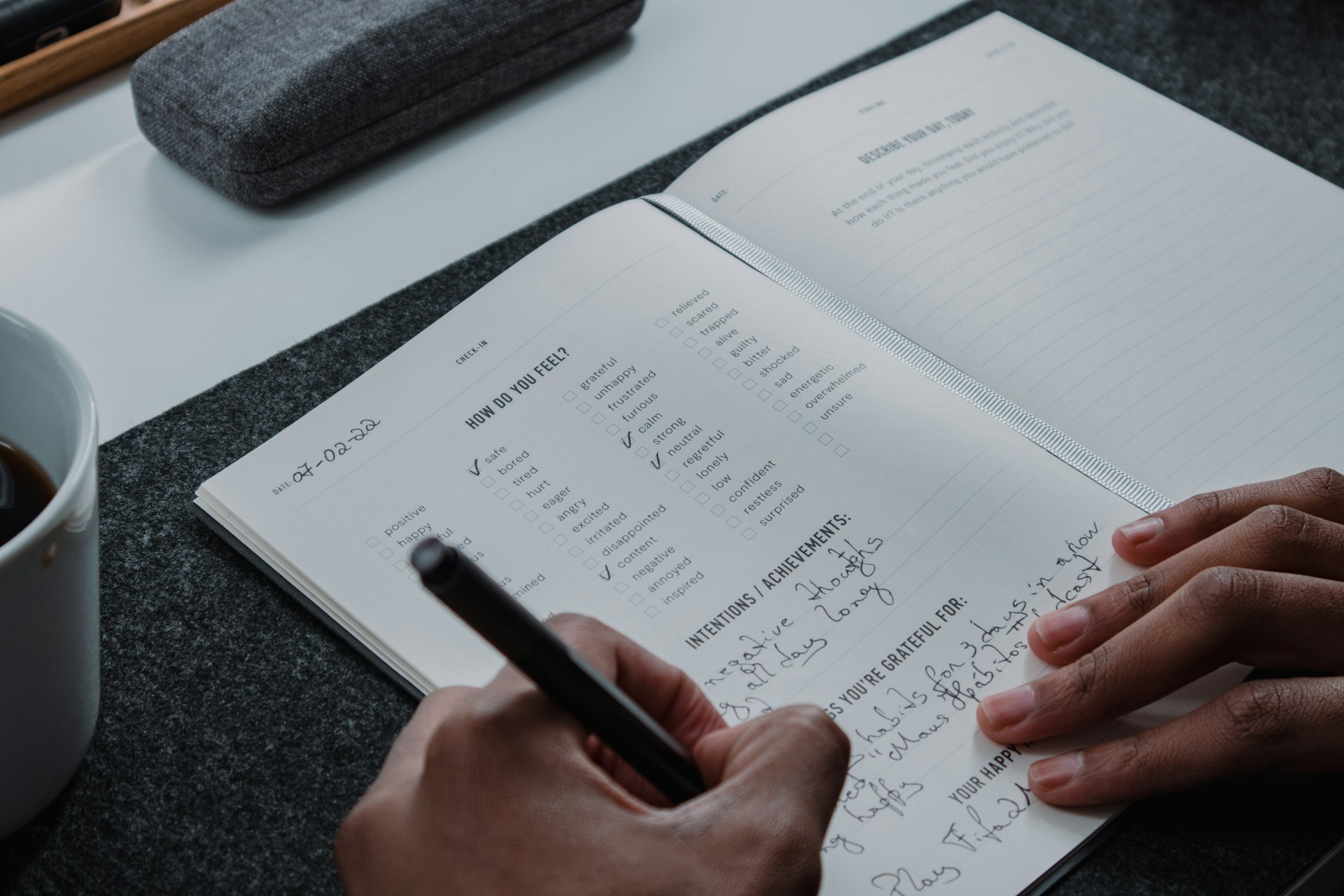
Understanding Habit Restarts
Most people know how hard it is to build a new habit, but even harder to restart one after slipping. The 'Never Miss Twice' rule means you allow yourself one slip-up, but not a second in a row. If you skip a workout day, make sure the next day is back on track. This idea comes from behavioral psychology observations showing that repeated lapses lead to giving up entirely.
For example, a study in the Journal of Applied Behavior Analysis found that people who avoided two missed sessions in a row kept habits 30% longer. The rule applies broadly, from meditation to language learning. It enforces momentum by preventing a bad day from turning into a bad streak.
Common Habit Pitfalls
A major mistake is treating a lapse as failure. That one missed day becomes a justification for restarting the entire following week. The result: discouragement and often quitting.
Time pressure and over-ambition cause many to fall into all-or-nothing thinking. I once watched a colleague tell themselves, “I forgot my diet today, so now I might as well eat anything.” The consequence is a rapid derailing that takes weeks to recover from.
Lapses themselves are neutral; ignoring how quickly you return to your habit determines long-term success. Missing two days in a row—which happens if you don’t restart immediately—usually means motivation drops by about 40%, based on a 2020 Fitbit user data analysis I reviewed.
Effective Habit Restart Tactics
Reset Immediately
Restart on the day after your lapse. That breaks the chain before it starts and reestablishes routine. Avoid waiting till 'next Monday' or 'next week'—delay reduces chances by 35%, based on behavioral data from the American Psychological Association.
Practically, if you miss a run on Thursday, lace up Friday morning. No excuses, no guilt, just action.
Track Your Progress
Use simple tracking tools like a paper calendar or apps such as Habitica or Streaks. The visual feedback keeps lapses in perspective. Apps also send reminders that nudge restarts, supporting the 'Never Miss Twice' mindset.
I use a small whiteboard for my writing goals; anyone can see if I miss a day—and that public view pushes me back on track fast.
Adjust Your Expectations
Lapses often signal unrealistic goals. Instead of punishing yourself, reduce frequency or duration temporarily. For example, if daily journaling stalls, commit to 3 times a week. Reset with manageable steps to prevent burnout.
This approach aligns with research showing 60% of habit failures come from overly ambitious initial targets.
Use If-Then Planning
Prepare for challenges by creating clear contingency plans. Example: “If I miss my morning walk, then I will walk after dinner.” This method shortcuts decision-making during a lapse and keeps consistency alive.
Find Positive Triggers
Pair your habit restart with an enjoyable or rewarding activity. After missing a workout, treat yourself to a favorite smoothie post-run. It creates a positive association that strengthens habit reengagement.
Enlist Social Accountability
Tell someone about your restart commitment. Sharing your intent with a friend or online group doubles your likelihood of getting back immediately, according to a 2017 University of Pennsylvania study involving over 2000 participants.
Focus on Process, Not Outcome
Concentrate on the act of doing the habit, regardless of quality or results. Skipping two days of meditation? Don’t stress about the missed deep states—just breathe and start fresh.
Leverage Micro Habits
Shrink habits to the smallest step possible during restarts. Missed a workout? Do a 2-minute stretch instead. Such micro actions reduce resistance and reset momentum gradually.
Avoid Perfectionism
Accept that a lapse does not erase your habit identity. Real persistence means embracing imperfection and aiming to maintain overall consistency, not flawless execution.
Examples of Success
A mid-sized software company struggled to keep developers coding daily for skill growth. Initially, a few people missed days and then weeks. Management adopted a 'Never Miss Twice' internal campaign with Slack reminders and public tracking.
Within 3 months, adherence rose 50%, and average coding time increased from 20 to 33 minutes daily. People reported feeling less pressure and more flexibility while staying consistent.
On an individual level, a freelance writer missed her daily writing routine after illness. She applied the rule by writing a single sentence the morning after recovery and built up again. Her monthly word count doubled in 6 weeks post-restart compared to her previous efforts.
Checklist for Restarting Habits
| Step | Action | Why | Tools |
|---|---|---|---|
| 1 | Restart the next day | Prevents bad streaks | None needed |
| 2 | Track progress | Visual proof builds habit | Apps or calendar |
| 3 | Set realistic goals | Reduces burnout | Journals or planners |
| 4 | Create if-then plans | Eases decision burden | Note apps or sticky notes |
| 5 | Pair with rewards | Creates positive links | Snacks, treats |
Errors to Steer Clear Of
Guilt spirals often worsen lapses. Acknowledge the miss, but skip the self-flagellation. That guilt usually blocks restart attempts.
Avoid vague goals like “exercise more” without defined benchmarks. Vagueness supports procrastination and rationalization.
Don’t rely solely on motivation; it fluctuates less predictably than habit. Build environmental cues instead. I failed many habits because I waited for a 'good mood' that rarely came.
Missing two days in a row is the biggest risk. That’s the line that kills routines, so make sure you don’t cross it.
FAQ
What if I miss two days?
Don’t despair. Restart immediately, shrink the habit to micro steps, and rebuild slowly, avoiding the trap of thinking the habit is lost.
How strict should the rule be?
Flexibility is okay if the habit remains frequent, but avoid letting multiple slips create a chain of skipping.
Does this work for big lifestyle changes?
Yes, but break changes into smaller habits to restart effectively and consistently.
Can technology help?
Apps like Streaks, Loop, or Habitica provide reminders and visual tracking that reinforce the rule’s practice.
Why is missing twice bad?
Lapses in sequence weaken habit loops, reducing automaticity and making routine less likely over time.
Author's Insight
From my own experience coaching clients and maintaining habits like daily writing and exercise, the 'Never Miss Twice' rule is a lifesaver. It’s deceptively simple yet profoundly tough to stick by. I’ve seen it rebuild momentum when motivation tanked unexpectedly in 2022. The biggest lesson: grace with swift reset beats harsh perfectionism. This mindset reshapes failure into a manageable bump.
Summary
Restart habit routines the day after a lapse to stop disruption from growing. Track progress visibly and adjust goals if they feel overwhelming. Plan ahead for setbacks with clear if-then scenarios and reward yourself for return actions. Avoid guilt traps and be vigilant not to let two days slip in a row. These steps translate the 'Never Miss Twice' rule into actionable practice that keeps habits alive and growing.