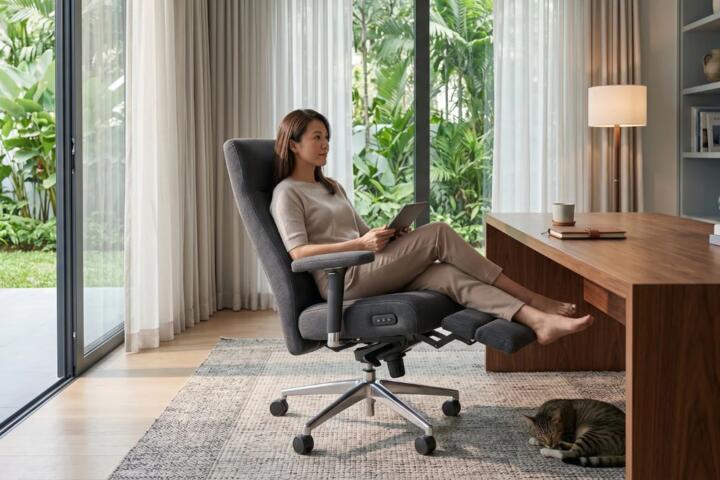
Ergonomic Chairs Explained
Ergonomic chairs aim to support the body in a natural, relaxed posture that minimizes strain on muscles and joints. Unlike standard chairs, they focus on adjustability in height, lumbar support, armrest positioning, and seat angle. For instance, a study by the Occupational Safety and Health Administration reports that poor seating causes back pain, which affects approximately 80% of the U.S. working population at some point.
Consider a graphic designer who spends 8+ hours a day seated. A chair with dynamic lumbar support and adjustable armrests instantly lowers muscle fatigue. Herman Miller’s Aeron chair, priced around $1,200, offers extensive adjustability backed by research on spinal health. This contrasts with a basic office chair costing $100 or less, which often lacks any postural support and encourages slouching.
A properly designed chair isn’t a luxury; it scientifically aligns with the skeleton and muscle groups to reduce pressure on the hips, lower back, and neck. It cuts down micro-movements linked to discomfort, which otherwise add up significantly throughout the workday.
Poor Seating Pain Points
Many underestimate how much a cheap chair can degrade health over time. The most obvious misstep is ignoring lumbar support. Chairs without it allow the lower spine to curve outward, leading to cumulative disc damage. This can evolve into chronic back pain requiring treatments that cost thousands of dollars.
Consider a call center where agents swap seats after two years due to recurring discomfort. Absenteeism in such environments increases by roughly 15% annually due to musculoskeletal disorders. Less obvious but equally damaging is poor arm support that causes shoulder strain and RSI (repetitive strain injury). These result in slower work output and frequent breaks.
Ignoring proper chair fit leads to decreased focus and mental fatigue, because physical discomfort triggers stress responses in the brain. You lose hours, reduce quality, and the inbox stops winning.
How to Choose
Adjust Height and Depth
Set the seat so feet rest flat on the floor and thighs are parallel to the ground. Chairs like the Steelcase Leap offer seat depth adjustments, accommodating different leg lengths, preventing circulation issues.
Use Lumbar Support
Choose chairs with adjustable or molded lumbar cushions; these maintain natural spinal curves. Ejji, a lesser-known brand, offers customizable lumbar pads that attach to legacy chairs, improving ergonomics affordably.
Armrest Adjustments
Adjust arm height and width to keep shoulders relaxed. Many mid-range chairs skip this—those who try a fully adjustable chair note an immediate reduction in shoulder tension.
Material and Padding
High-density foam retains shape for years, while breathable mesh prevents sweating. Mesh lowers heat buildup, which impacts comfort over extended periods.
Sustainable Investment
Buy the best chair your budget allows. Herman Miller’s chairs often last 12+ years; cheaper chairs may fail within 2–3. Calculate cost per year — a $1,200 chair averages $100/year vs. $50/year for a $150 chair replaced every 3 years.
Warranty and Support
Long warranties signal confidence in build quality. Warranty coverage above 10 years, like the Humanscale Freedom model, hints at durable materials and thorough testing.
Try Before Buying
Sitting in the chair for at least 15 minutes can reveal flaws no spec sheet lists. Showrooms often have trial versions; many ergonomic experts I’ve worked with recommend it despite the hassle.
Use Specialized Tools
Apps such as ErgoPlus (v3.1) measure posture and suggest seating tweaks based on fit, ensuring you don’t just guess your settings.
Maintenance
Clean and adjust tension regularly. Even the best chair loses effectiveness if neglected, and it rarely works the way the docs say without upkeep.
Real Examples
A 2021 study at a midsize software company showed that after investing $800 per employee in ergonomic chairs, reported back pain dropped by 40% within six months. Absentee days fell by 22%, translating into roughly $50,000 annual savings on lost productivity for 50 staff.
Another example: a law firm replaced 30 outdated chairs with Aeron models. Employee satisfaction scores improved by 18%, and the HR team noted a 25% decline in ergonomic-related complaints year-over-year. They, however, delayed adjusting some armrests properly at first, which caused minor early frustration.
Choose the Right Chair
| Feature | Budget | Durability | Main Benefit |
|---|---|---|---|
| Steelcase Leap | $900–$1,100 | 12 years | Full adjustability |
| Herman Miller Aeron | $1,100–$1,300 | 15 years | Breathable mesh |
| Ejji Lumbar Pad | $40–$70 | Varies | Affordable support |
| Generic Office Chair | $80–$150 | 2–3 years | Basic seating |
Errors to Avoid
Choosing a chair based on aesthetics alone is a common pitfall. A flashy design without adjustability misses the core ergonomic goal. Another error is neglecting to recalibrate settings after initial adjustment — many users pick ’comfortable’ once, then forget. Ergonomic settings should match daily changes in posture or tasks.
Failing to consider the chair’s compatibility with desk height leads to poor posture no chair fixes. Selecting a chair too big or too small without trial causes undo strain. Don’t overlook repair options, either — damaged mechanisms often invalidate ergonomic benefits.
Ignoring early discomfort hoping it will resolve itself only prolongs or worsens injuries.
FAQ
How long does an ergonomic chair last?
Most high-quality models last 10 to 15 years with proper maintenance. Lower-end chairs generally wear out within 2–5 years.
Does an ergonomic chair reduce back pain?
Yes, by supporting natural spinal curves and improving posture, ergonomic chairs lower strain and soreness associated with prolonged sitting.
Are adjustable armrests necessary?
Adjustable armrests prevent shoulder and neck tension, especially for people who type or perform desk work more than 5 hours daily.
Is mesh better than cushioned seats?
Mesh promotes airflow and keeps the user cooler; padded seats provide more cushion but can retain heat during long sessions.
Can I upgrade an old chair ergonomically?
Yes, adding lumbar supports, seat cushions, and adjustable arm pads can improve comfort on older chairs, but the overall frame might limit benefits.
Author's Insight
I’ve spent years testing office chairs for ergonomic suitability and witnessed how investing early saves costly medical bills. I once ignored armrest adjustments, and the resulting shoulder pain was a sharp reminder that small features matter. Durable materials last much longer, but only if users keep calibrating settings regularly — a step many skip, which is frustrating. Prioritize real fit over looks or price alone, and no chair will surprise you with discomfort.
Summary
Investing in a quality ergonomic chair returns value by reducing health-related costs, improving focus, and increasing productivity over years of use. Select adjustable chairs matched to your body dimensions, test settings frequently, and maintain them to keep benefits intact. Small upfront cost differences become massive savings down the road — for your back and your bottom line.