Psychology of Pairing
The concept revolves around a simple yet profound psychological mechanism: bridging the gap between your "present self" (who wants comfort) and your "future self" (who wants results). It is a form of commitment device that makes the cost of a difficult habit feel lower by attaching a high-value reward to it instantly.
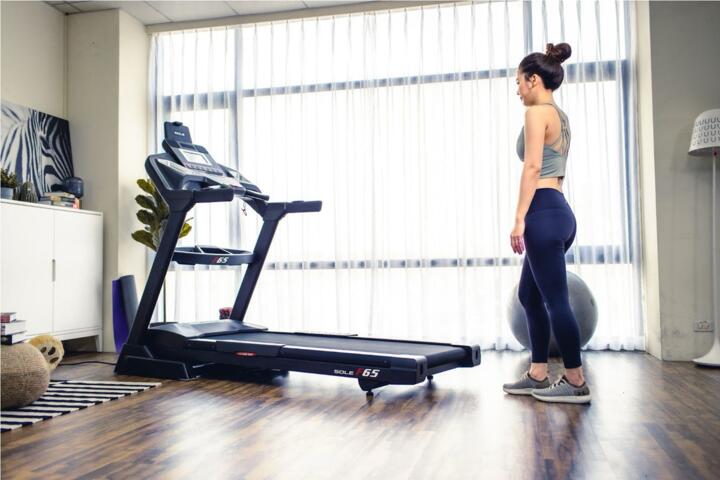
In practice, this looks like only listening to your favorite true-crime podcast while scrubbing the kitchen or catching up on Netflix dramas specifically while on the treadmill. It leverages the "Want" vs. "Should" conflict, ensuring that the dopamine hit from the "Want" activity sustains you through the "Should" activity.
Research led by Professor Katherine Milkman at the University of Pennsylvania showed that participants who used this technique were 51% more likely to exercise regularly compared to a control group. This isn't just about willpower; it is about architectural design of your environment and schedule.
Common Friction Points
Most people fail because they rely on "delayed gratification," promising themselves a treat *after* the hard work is done. This fails because the brain’s limbic system prioritizes immediate rewards over distant promises. When the work is hard, the brain seeks an exit strategy immediately.
Another issue is "habit dilution," where the reward is too weak to offset the effort required for the difficult task. If the "bundle" isn't strictly enforced, you end up doing the fun thing without the productive thing, destroying the psychological link. This leads to a cycle of guilt and incomplete projects.
In a professional setting, this manifests as "productive procrastination"—doing easy emails to avoid a complex strategy doc. Without a structural pairing, the high-cognition tasks always get pushed to "tomorrow," a day that effectively never arrives in the world of behavioral psychology.
Strategic Framework
Audit Your Daily Temptations
List every activity you do for pure pleasure: scrolling TikTok, drinking high-end coffee, listening to specific Spotify playlists, or watching sports highlights. These are your "leverages." Use tools like RescueTime or Screen Time reports to identify where your attention naturally gravitates when you are avoiding work.
Identify High-Resistance Tasks
Pinpoint the "Should" activities that you consistently put off. This might be lead generation, filing expenses on Expensify, or deep-cleaning your workspace. Be specific; "work" is too broad. "Updating the CRM" is a perfect candidate for bundling because it is repetitive and requires low cognitive load but high discipline.
Create Strict Pairing Rules
Establish a "Thematic Constraint." For example, you are only allowed to eat at your favorite local bistro while reviewing weekly financial reports. If you don't do the reports, you don't go to the bistro. This creates a neural association where the brain begins to crave the task because it signals the arrival of the reward.
Utilize Digital Gatekeepers
Use software to enforce your bundles. Freedom.to can block distracting sites except during specific windows, or you can use "Focusmate" to pair a boring task with a social accountability partner. By using Forest (the app), you can grow digital trees only while performing your bundled "Should" task, adding a layer of gamification.
Optimize the Environment
If your bundle involves exercise, keep your Kindle (loaded with a page-turner) inside your gym bag. If it involves office work, reserve a specific high-end scented candle or a particular lo-fi beats station only for that task. Sensory triggers are powerful anchors for habit maintenance and reduce the mental energy needed to start.
Monitor the Satiation Point
Rewards lose their power if overused. If you listen to your favorite audiobook while doing chores every single day, the audiobook eventually becomes "white noise." Rotate your rewards every two weeks to keep the dopamine response sharp. Tracking this in a habit tracker like Habitica can provide the data needed to see when a bundle is losing its efficacy.
Real-World Successes
A mid-sized digital marketing agency, 'GrowthFlow,' struggled with employees neglecting their internal documentation. They implemented a "Coffee & Docs" Friday, where the company paid for premium Starbucks deliveries only for those who spent the first 90 minutes of the day on internal Wiki updates. Documentation completion rose by 70% in three months.
An individual freelance developer used bundling to tackle physical health. He allowed himself to play "Civilization VI" only while walking on a desk-treadmill at a slow pace. Over six months, he lost 15 pounds and completed three major client projects, as the "gaming time" became his most productive movement window.
Implementation Matrix
| Difficulty | The "Should" Task | The "Want" Bundle | Tool/Service |
|---|---|---|---|
| Low | Folding Laundry | Netflix/YouTube | iPad/Smart TV |
| Medium | Expense Reporting | Premium Tea/Coffee | Expensify + Breville |
| High | Deep Coding/Writing | Noise-Canceling + 특정 OST | Sony WH-1000XM5 |
| Physical | Cardio/Gym | Audiobooks/Podcasts | Audible / Spotify |
Avoiding Pitfalls
One major error is "Bundle Overload." Do not try to pair a task that requires 100% focus (like learning a new language) with something that also requires focus (like a complex mystery movie). Bundling works best when one task is "automatic" or "passive." If both require high brain power, you will experience cognitive overload and do neither well.
Another mistake is the "Cheat Day" mentality. If you allow yourself the reward without the task even once, the psychological contract is broken. To avoid this, use "Micro-Bundling." If a task feels too big, bundle a 10-minute version of the task with a 10-minute version of the reward. Consistency beats intensity every time in behavioral design.
FAQ
Is this just bribing yourself?
Technically, yes. However, in behavioral economics, it is seen as aligning incentives. Since our brains are naturally wired for immediate feedback, bundling provides the necessary feedback loop that "delayed" results (like health or wealth) cannot provide in the moment.
Can I bundle two productive tasks?
This is usually counterproductive. Bundling works because one task is a "withdrawal" of energy and the other is a "deposit." Two "Should" tasks will just lead to faster burnout and higher ego depletion.
What if I run out of things I want?
You don't need new rewards; you just need restricted access to existing ones. The most effective bundles use everyday pleasures—like checking Instagram or drinking a soda—that are usually "free" but are now "earned."
How long does it take to work?
The beauty of this technique is that it works instantly. Unlike traditional habit formation which takes 66 days to become "automatic," bundling provides an immediate incentive to start the task today.
Does this work for kids or teams?
Absolutely. For teams, it’s about "Social Bundling"—making a boring meeting more palatable by providing high-quality catering or holding it in a scenic location. For kids, it's the classic "no dessert without vegetables," though it's more effective if done simultaneously.
Author’s Insight
In my years of studying productivity workflows, I’ve found that the most "disciplined" people aren't actually using more willpower; they are just better at designing their environment. I personally struggled with dreading my Monday morning CRM updates until I started pairing them with a specific, high-calorie breakfast I only allow myself once a week. Now, I actually look forward to Monday mornings. Stop fighting your nature and start hacking your dopamine pathways.
Summary
The key to mastering difficult habits isn't more discipline, but smarter integration. By auditing your desires and strictly linking them to your obligations, you bypass the brain's natural resistance to effort. Start by choosing one small bundle today—perhaps your favorite podcast and a household chore—and notice how the friction of "starting" simply vanishes. Actionable step: write down your "Want" list and your "Should" list right now, and draw a line between two that can happen at the same time.