Pomodoro’s Core Idea
The Pomodoro Technique is built on a simple loop: choose a task, work in a timed interval, stop when the timer ends, then take a short break before starting the next interval. The method’s “unit of work” is not a project or a chapter; it is a fixed-length sprint that ends on a clear boundary. That boundary matters because attention often drifts during open-ended work, and people tend to underestimate how long a task takes until they measure it.
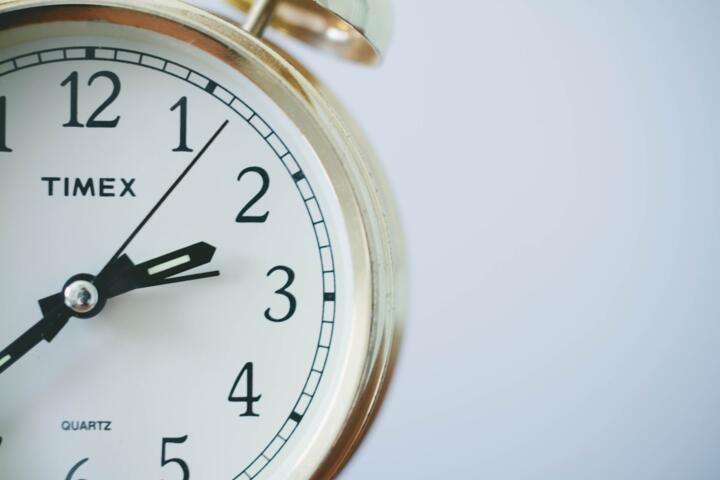
In practice, a typical cycle uses 25 minutes of focused work followed by a 5-minute break, then longer breaks after several cycles. The original creator used the term “pomodoro” for the tomato-shaped kitchen timer, which hints at the method’s emphasis on visible time cues rather than complex tracking. Many apps now reproduce the same pattern, including timers that show completed cycles and a “focus” mode, but the underlying mechanism stays time-boxing plus scheduled recovery.
One small detail that changes outcomes: the task definition at the start of each interval. If you start a timer for “write report,” you’ll spend the interval deciding what to write. If you start a timer for “draft outline for section 2,” you’re more likely to finish something concrete before the stop signal. That difference is why the technique is often paired with a task list that breaks work into next actions.
Common Misunderstandings
People often treat Pomodoro as a motivation trick rather than a measurement and interruption-management tool. When the timer becomes a reward system, the work quality can drop because the goal shifts from completing the next action to “getting through the minutes.” Another frequent issue is using Pomodoro for tasks that cannot be paused safely, such as live customer calls or certain medical documentation workflows; the method still works, but the interval boundaries need to align with real-world constraints.
Pomodoro also depends on a few supporting behaviors that get skipped. First is interruption capture: when something pops up, you record it for later instead of leaving the current interval. Second is task sizing: if a task needs 90 minutes of uninterrupted thinking, forcing it into three 25-minute blocks without planning can create repeated context switching. Third is break design: breaks that turn into long social scrolling or email triage often erase the recovery the method intends.
There is also a mismatch between the technique’s assumptions and how attention works for different people. Some readers focus better with 15-minute sprints, others with 45-minute sprints, and some tasks require longer warm-up. The technique’s core is not the number 25; it is the repeated cycle of start–stop–recover, which you can tune when your work has different cognitive demands.
As a practical aside, I’ve seen people set a timer in version 2.0 of a popular focus app on a laptop and then keep the browser tab for the same app open, which defeats the “stop when the timer ends” rule because the interface keeps drawing attention. The method’s time boundary works best when the timer is the most salient cue.
How To Set It Up
Choose A Next Action
Write a task statement that can be completed in one interval, even if the interval ends before the whole project finishes. A good next action starts with a verb and ends with a tangible output, such as “summarize article A in 6 bullets” or “solve 5 practice problems.” If you cannot name the output, you are likely starting the interval too early in the thinking process.
Use a short task list and keep it visible. Many people track tasks in a notes app; a simple approach is to create one list for “today” and move items forward only when you finish a next action. If you notice that you consistently run out of time on the same type of task, you may need to split it further or adjust the interval length.
Run Timed Work Blocks
Start the timer only after you remove the most common distractions for that task. For a writing task, that might mean closing extra tabs; for problem-solving, it might mean turning off notifications and keeping reference materials in a single place. Then work until the timer ends, even if you feel you could keep going. The stop signal is part of the method’s design because it trains you to exit a task cleanly.
When interruptions occur, capture them in a “parking lot” note and return to the task without renegotiating the plan mid-interval. This reduces the hidden cost of context switching, which often shows up as “I worked for 25 minutes but nothing moved.” If you are using a phone timer, place it where you can see it without reaching for the device repeatedly.
Plan Breaks With Limits
Use breaks for recovery behaviors that do not restart the same cognitive loop. A 5-minute break can include standing up, stretching, water, or a short walk. Breaks that involve email, social media, or long reading often create new tasks and new decisions, which makes the next interval feel harder to start.
Track your break behavior for a week. If you notice you return to work with a backlog of new thoughts, shorten the break or change what you do during it. People sometimes underestimate how quickly “just checking” becomes a 20-minute detour.
Adjust Cycle Length
Keep the cycle structure but tune the interval length to the task. For deep reading or complex problem-solving, some people do better with longer blocks, such as 35–45 minutes, while still using short breaks. For routine admin tasks, shorter blocks can reduce boredom and help you restart after interruptions.
Use a simple outcome metric: count how many next actions you complete per day, not how many timers you start. If you complete fewer next actions after switching to longer intervals, the interval may be too long for your current attention pattern. If you complete more, the change likely matches your work rhythm.
Educational Case Examples
Scenario 1: Student studying for exams. A student uses 25/5 Pomodoro for reading and practice. They define each interval as “read one subsection and write a 3-sentence summary” or “do 4 practice questions and check answers.” After three cycles, they take a 15-minute break that includes a snack and a short walk. The student notices that when they start a timer for “study chapter 3,” they finish the interval with no usable notes, so they revise the task statements.
Scenario 2: Office work with recurring interruptions. A project coordinator tries Pomodoro during report drafting. They keep a parking-lot note for messages and questions, and they schedule two short “message windows” outside focus blocks. During each interval, they draft one section and stop at the timer boundary, then return to the same section in the next interval. The coordinator still completes the report, but they learn that Pomodoro works best when the interval boundaries align with how the team expects updates.
Pomodoro Checklist And Tradeoffs
| Decision Point | Pomodoro-Friendly | Needs Tuning | Often Poor Fit |
|---|---|---|---|
| Task type | Writing drafts, problem sets, structured review | Work requiring long warm-up or deep research | Live, continuous workflows with no safe pause |
| Interruptions | Can be parked and handled later | Frequent urgent pings break the cycle | Interruptions that must be handled immediately |
| Break behavior | Short recovery, low decision load | Breaks that start new tasks | Breaks that lead to long scrolling or inbox triage |
| Outcome tracking | Next actions completed | Timer counts without outputs | No tracking, no learning loop |
Step-by-step checklist for a first week:
- Pick one work category for Pomodoro (study, writing, coding, or report drafting).
- Define 5–10 next actions that each fit within one interval.
- Use a timer with a visible end signal and start only when the task is ready.
- During the interval, record interruptions in a parking-lot note.
- Take breaks that do not create new tasks; if you do, shorten the break.
- At day’s end, count completed next actions and adjust task sizing for the next day.
Common Mistakes To Avoid
One mistake is starting timers for vague goals. “Work on presentation” often turns into searching for slides, rewriting headings, and deciding what to do next, which makes the interval feel like wasted time. A second mistake is treating the timer as a permission slip to ignore planning. If you do not decide the next action before the timer starts, you spend the interval building the plan instead of executing it.
A third mistake involves break drift. People often intend a 5-minute break and then open a message thread, which turns the break into a second work session. That pattern creates a cycle where the next interval begins with fatigue and a new set of tasks. If you notice this happening, change the break environment, such as stepping away from the desk or using a separate “break” routine.
A fourth mistake is measuring success by the number of completed pomodoros rather than the outputs. You can finish many intervals and still produce nothing usable if tasks are too large or too ambiguous. Track what you completed, even if it is small, like “one paragraph drafted” or “five flashcards reviewed.”
Finally, some people keep Pomodoro running even when their work context changes. If you are in a meeting-heavy day, the interval boundaries may clash with real communication needs. In that case, use longer blocks for drafting between meetings, or run Pomodoro only for the parts of the day that have predictable start and stop points.
FAQ
What does Pomodoro mean in practice?
It refers to a timed work interval followed by a short break, repeated in cycles. The method’s practical focus is on defining a next action and stopping when the timer ends.
How long should a Pomodoro session be?
Commonly, people use 25 minutes of work and 5 minutes of break, then a longer break after several cycles. Adjust the interval to match the task’s warm-up time and your ability to pause safely.
Do breaks need to be exactly 5 minutes?
No fixed rule exists for every user. Short breaks that reduce cognitive load work better than breaks that start new tasks, and the best length depends on how quickly you lose focus after stopping.
Can Pomodoro work for creative tasks?
Yes, when the interval starts with a concrete creative output, such as drafting a section, generating a limited set of ideas, or revising a specific paragraph. If the task requires uninterrupted incubation, use longer intervals while keeping the stop-and-recover structure.
What if I get interrupted during a timer?
Record the interruption in a parking-lot note and return to the current next action without switching tasks mid-interval. If interruptions are constant and urgent, Pomodoro may need different timing windows or a different interval length.
Author's Insight
The Pomodoro Technique is built on time-boxing and interruption management rather than on a special mental state. The method’s measurable component is the repeated cycle of starting a defined next action, stopping at a boundary, and using breaks that do not create new work. Evidence from attention research supports the idea that frequent context switching and uncontrolled breaks reduce output, which aligns with Pomodoro’s design choices. The technique’s limitations show up when tasks cannot be paused safely or when “next actions” remain too vague to complete within one interval.
For readers who want to evaluate it, the most informative test is a one-week experiment that tracks completed next actions and the types of tasks that repeatedly fail to fit. If the same tasks keep spilling over, the interval length or task granularity likely needs adjustment. If the method produces outputs but feels stressful, the break routine and interruption rules probably need revision.
Key Takeaways
- Pomodoro is built on timed work blocks plus planned recovery, with a stop signal that prevents open-ended drift.
- Success depends on defining a next action that can finish within one interval, not on starting a timer for a vague goal.
- Breaks work best when they reduce cognitive load instead of starting new tasks.
- Measure outputs (next actions completed), then tune interval length and task sizing based on what you observe.