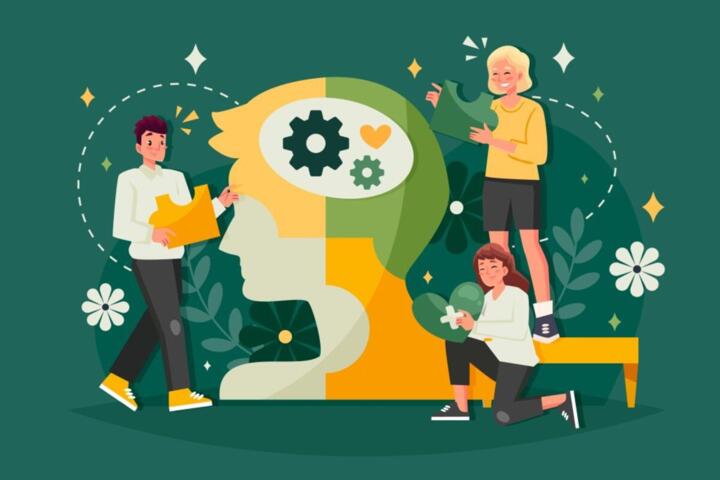
Environment And Behavior
Environment shapes behavior through the signals people receive and the options they can act on. A cue can trigger an automatic response, while constraints reduce the effort needed for one choice and increase the effort for another. Feedback loops matter too: if a behavior reliably leads to relief, attention, or reward, the environment trains repetition. This pattern shows up in sleep timing, eating habits, medication routines, and stress responses, even when a person’s intentions stay the same.
Consider a kitchen with fruit at eye level and sugary snacks stored high in a cabinet. The same person may choose fruit more often because the environment changes speed, visibility, and friction. In a workplace, a quiet room and predictable meeting times reduce interruptions, which can lower stress and improve follow-through. In digital spaces, notification design changes attention allocation; a feed that refreshes constantly can make it harder to sustain a planned task. These effects do not require “mind control”; they follow from how attention and habits work under real constraints.
Environment also shapes behavior indirectly by shaping the body’s baseline. Noise, light exposure, temperature, and sleep timing influence arousal and mood, which then changes decision-making. Social context adds another layer: norms about what counts as “appropriate” behavior can shift what people report and what they do. When the environment changes, behavior often changes first, and beliefs or self-descriptions may lag behind.
Main Misreads And Dependencies
People often misread environment-driven behavior as a character flaw or a stable trait. That mistake leads to blaming the person instead of examining the cues, schedules, and feedback they face. Another common error treats behavior as purely voluntary, ignoring that many actions become habitual through repeated pairing with specific contexts. If the context stays the same, behavior tends to recur even when motivation changes.
Behavior also depends on supporting systems that sit underneath the visible setting. Sleep behavior depends on light exposure, caffeine timing, work schedules, and sometimes medication side effects. Eating behavior depends on food availability, portion norms, and the time cost of preparing meals. Medication adherence depends on packaging, reminders, pharmacy refill timing, and side effects that affect comfort. Social behavior depends on group expectations, conflict patterns, and the availability of alternatives when stress rises.
Digital environments add dependencies that are easy to overlook. A phone’s notification settings, app permissions, and lock-screen previews shape what interrupts attention. A calendar that defaults to 15-minute blocks can create a different rhythm than one that defaults to 60-minute blocks. Even a search bar’s autocomplete suggestions can steer what people click next. These details can matter more than a person’s stated goals, which can feel frustrating when you try to “think your way” out of a pattern.
Evidence for environment effects comes from multiple research traditions, including habit science, behavioral economics, and public health interventions. The strength of evidence varies by outcome and setting, and not every study translates cleanly into every household or workplace. Still, the mechanism pattern stays consistent: cues and constraints shape behavior through attention, effort, and reinforcement.
Practical Solutions And Advice
Change Cues, Not Just Intent
Start by mapping the cue that precedes the behavior. Write down what happened in the 30 minutes before the behavior, including location, time, and who was present. Then adjust one cue at a time: move the target item closer, remove the competing option, or change the default route through the space. A small change can work because it reduces friction; for example, placing a water bottle on the desk can increase hydration without requiring willpower.
If the behavior is digital, adjust the interface. Turn off non-essential notification categories and remove app icons from the home screen; on iOS, this can be done through notification settings and app library placement. If you use a task app, test a single workflow for two weeks—version 3.2 of a reminder tool might behave differently than version 3.0, and that difference can affect adherence. Track whether the change reduces interruptions rather than whether it “feels better.”
Use Measurable Experiments
Behavior change works better when you can measure it. Pick one outcome and define it clearly: bedtime within a 30-minute window, number of late-night snacks, or completion of a daily medication dose. Run a short experiment with a stable baseline, then change the environment and compare. A two-week window often catches routine shifts; longer windows help when habits need time to re-form.
Use a simple log with timestamps. If you track sleep, record bed time, wake time, and perceived sleep quality; a wearable can add data, but it can also misclassify sleep stages. If you track eating, count servings or note snack type rather than relying on memory. When results look mixed, check whether the environment change actually occurred on most days; missing the cue adjustment once can blur the signal.
Reduce Effort With Defaults
Defaults shape behavior because they reduce decision load. Prepare meals in advance, set out breakfast items the night before, or schedule a consistent medication time tied to an existing routine like brushing teeth. In workplaces, request a recurring meeting slot and a quiet work block; the goal is to reduce context switching, which often drives stress.
For digital routines, use calendar defaults and focus modes. On macOS, a focus mode can hide notifications during a set window; on Android, similar modes exist with different naming. Choose one system and keep it stable for the experiment period, because switching tools midstream can create noise in your measurements. Which, frankly, most people skip when they want quick results.
Account For Body Constraints
Environment changes interact with physiology. Caffeine timing affects sleep pressure; alcohol affects sleep fragmentation; pain and inflammation can change activity patterns. If a behavior shift coincides with new symptoms, medication changes, or illness, treat the environment adjustment as one variable among several. In health contexts, consult a clinician when symptoms suggest a medical cause.
When stress drives behavior, reduce environmental triggers and add recovery time. Dim lighting in the evening, consistent wake time, and a predictable wind-down routine can lower arousal. If you use breathing exercises, pair them with a consistent setting like a specific chair or room; the environment becomes the cue for the practice. This pairing matters because the body learns context associations.
Case Examples For Learning
Bedroom Light And Sleep Timing
Alex, an adult with irregular sleep, noticed that late-night phone use preceded bedtime delays. The environment included a charging cable within reach and a bright screen on the nightstand. Alex moved the charger to a different room, enabled a night-time display setting, and set a single alarm for wake time. Over 14 days, Alex’s bedtime shifted earlier on most nights, while wake time stayed stable; sleep quality improved on nights when the phone stayed out of the bedroom. The change worked because it altered the cue and reduced the effort required to start a late-night scroll.
Work Breaks And Snack Patterns
Sam worked in an office where meetings ran late and breaks were unpredictable. Snacks came from a vending machine within a short walk, and the walk became a default response to stress. Sam tried a controlled adjustment: scheduled two 10-minute breaks, kept a small snack at the desk, and asked a coworker to avoid last-minute meeting changes when possible. Over three weeks, Sam reported fewer “stress walks” and more consistent snack choices. The improvement depended on timing; when meetings overran, the environment still pushed the old pattern back.
Comparison Checklist
| Approach | What You Change | What To Measure | Common Failure Mode |
|---|---|---|---|
| Cue Adjustment | Visibility, placement, access, defaults | Frequency of the target behavior | Competing cues remain active |
| Effort Reduction | Preparation time, friction, decision load | Completion rate and time-to-start | You change too many variables at once |
| Feedback Loop | Rewards, consequences, reminders | Consistency across days | Rewards fade after novelty |
| Physiology Check | Sleep, pain, medication side effects | Symptoms plus behavior outcome | You ignore medical drivers |
Step-by-step checklist for a safe test: pick one behavior, define it, record a baseline for 7 days, change one environmental factor, run 14 days, review the log, then decide whether to keep, adjust, or stop. If symptoms worsen during the test, pause the experiment and seek medical guidance.
Common Mistakes
One mistake involves changing the environment and the goal at the same time. If you move the charger and also change bedtime targets, you cannot tell which change mattered. Another mistake treats a single “good day” as evidence; habits usually show patterns across multiple days, not isolated outcomes.
People also overestimate willpower as a substitute for environment. If the environment still triggers the old behavior, willpower becomes the bottleneck, and fatigue makes the bottleneck visible. A related error uses punishment as feedback, which can increase stress and reduce the chance of consistent follow-through.
In health contexts, a frequent misstep is ignoring medical contributors. Sleep disruption, medication side effects, thyroid issues, depression, and anxiety can all shift behavior patterns. Environment changes can still help, but they do not replace clinical evaluation when symptoms suggest a medical cause.
Finally, promotional writing often claims that one trick fixes behavior permanently. Real-world behavior change usually requires repeated cue alignment and periodic adjustment as routines shift. If a plan promises instant, universal results, treat it as a red flag.
FAQ
How Does Environment Affect Habits?
Habit formation links a cue to an action through repetition. When the cue stays stable, the action becomes faster and more automatic, even when motivation changes.
Can Social Norms Change Behavior?
Yes. Group expectations influence what people do and what they report, especially when approval, conflict, or belonging depends on behavior.
Why Do Digital Notifications Alter Focus?
Notifications interrupt attention and create task switching costs. The design of alerts and feed refresh timing can increase the frequency of interruptions.
What Measurements Work For Behavior Change?
Use clear, time-stamped outcomes such as bedtime window adherence, dose taken/not taken, or snack frequency, then compare baseline days to days after the environment change.
When Should I Seek Medical Advice?
Seek medical advice when behavior changes come with new or worsening symptoms, medication changes, severe sleep disruption, or signs that suggest a medical or mental health condition.
Author's Insight
Environment-driven behavior fits a consistent mechanism: cues guide attention, constraints shape effort, and feedback trains repetition. Evidence from public health and behavioral science supports the idea that small contextual changes can shift outcomes, especially when they reduce friction and stabilize routines. The practical challenge is measurement—without a baseline and a defined outcome, people mistake coincidence for causation. When symptoms enter the picture, environment adjustments should sit alongside clinical evaluation rather than replace it.
Key Takeaways
- Behavior often follows cues and constraints more than stated intentions.
- Change one environmental factor at a time and measure the outcome for at least 2–3 weeks.
- Digital settings, room layout, and schedules can act like “behavior levers” through attention and effort.
- Track symptoms when behavior changes coincide with health changes, and seek medical advice when needed.