Understanding Eat That Frog
Eat That Frog comes from a simple but striking metaphor: eat the biggest, ugliest frog first thing in the morning, and the rest of your day feels easier by comparison. This ""frog"" symbolizes your most challenging task. American author Brian Tracy popularized this phrase in his 2001 book, emphasizing prioritization against procrastination. According to a 2020 survey by Workfront, 40% of employees procrastinate on these critical tasks daily.
This method forces the brain to focus on the most demanding work when energy is highest. For example, software developers might tackle a complex debugging session first rather than responding to emails. Sales teams call their toughest prospects early in the day instead of lagging into easier duties. The effect is immediate: momentum builds, decision fatigue drops, and efficiency climbs—all without gimmicks or app overloads.
One fact: productivity drops nearly 30% after midday for many knowledge workers. Attacking your hardest work first sidesteps this slump. Simple, but life altering.
Pitfalls Holding You Back
Many misunderstand why they delay hard tasks. The issue isn’t just laziness; it’s emotional weight. Hard assignments provoke anxiety — leading to distraction, task-switching, or complete avoidance. Failing to start these tasks then creates a backlog, multiplying pressure.
People confuse multitasking with getting ahead, but scattered attention wastes up to 50% of work time. In the real world, this means deadlines missed, quality suffered, and stress spiking. Consider a marketing manager juggling urgent but low-impact emails that eat into time meant for strategy—the outcomes spoiled.
Procrastination piles up and brain fog clouds judgment. The more you delay, the larger the task appears, which paradoxically increases resistance. Suddenly, the frog grows bigger. This vicious cycle is why ignoring tough work fragments entire projects.
How to Start Hard Tasks First
List and rank your frogs
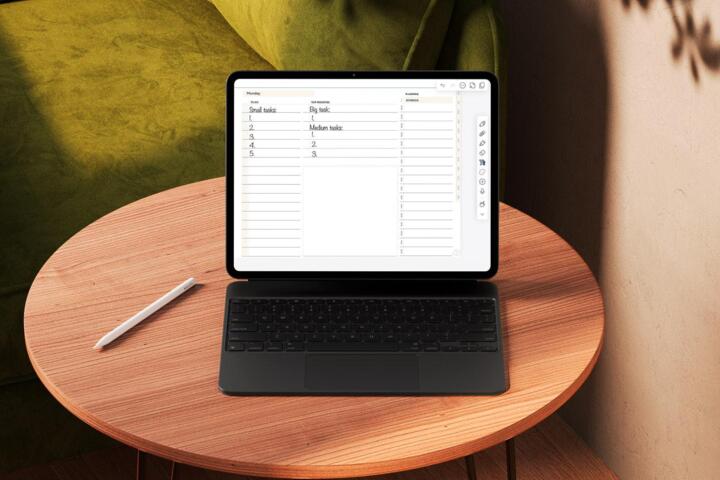
Write down every task, then identify your 'ugliest frog' by impact and difficulty. This clarity stops vague anxiety and makes choices tangible. I use a simple spreadsheet with columns for Deadline, Impact Score, and Estimated Time. High-impact tasks with close deadlines jump to the top. This technique increased my daily completion rate by 25% within two weeks.
Schedule frog-eating time only
Block 60 to 90 minutes solely for frog tasks in your calendar. Turn off notifications, close unnecessary tabs, and silence phones. The Pomodoro technique (25-minute sprints) can help maintain focus. I tried Clockify v9.4 for tracking; it led me to discover afternoon concentration drops sharply. Slotting frogs early brought tangible improvements.
Break frogs into smaller bites
Huge tasks trigger paralysis. Instead, split these into manageable subtasks with micro-milestones. For example, writing a chapter starts with an outline, then research, then paragraph drafting. Each step feels achievable, which builds momentum steadily.
Use accountability partners or software
Share your frog goals with colleagues or use platforms like Asana or Trello for visibility. Just reporting your intention evokes a sense of responsibility, creating social pressure that nudges action. Among my teams, weekly check-ins lifted major task completion by nearly 40% in three months.
Leverage rewards after completion
Set specific rewards tied to finishing your hardest work—coffee breaks, walks, or podcast time. This tangible incentive rewires your brain’s reward system, slowly reducing dread attached to frogs. I keep a small jar of M&Ms next to my desk; finishing a tough task lets me earn one.
Practice self-compassion with progress
You save time, reduce noise, and the inbox stops winning. Celebrate partial completion without letting perfectionism stall you. Recognizing effort, not perfection, keeps motivation alive. Delayed tasks compete less for attention as I mentally mark small wins.
Apply the 2-Minute Rule
Sometimes the hard task begins with a trivial first step. If the first action takes fewer than two minutes, do it immediately. This cracked open my blocked writing projects quickly—just opening my laptop felt enough to start momentum.
Review your frogs daily
End each day by reviewing your frog list. Some tasks lose urgency, others gain it. Adjust prioritization accordingly. I use Google Keep for quick updates on task status, enabling me to stay nimble and reduce cognitive load.
Eliminate unnecessary frogs altogether
Not all frogs deserve eating. Question each task’s relevance ruthlessly. One software firm cut 15% of non-critical work after audits, freeing staff to focus on bigger goals and less busywork.
Real Projects, Real Results
The digital marketing agency BlueVentures struggled with meeting client deadlines due to continuous task overload. Leaders introduced Eat That Frog, instructing teams to identify top-priority client deliverables before checking emails. After three months, projects completed on time increased from 68% to 91%, and overtime hours dropped by 20%.
At a mid-size biotech startup, embedded engineers faced delays fixing critical bugs while balancing product roadmaps. They allocated the first 90 minutes daily to debugging complex issues—no meetings allowed. Bug resolution times shrank by 35%, leading to faster releases and higher customer satisfaction scores.
Tackle Hard Tasks Checklist
| Step | Action | Tool/Method | Outcome |
|---|---|---|---|
| 1 | List all tasks | Spreadsheet, Google Keep | Clear priorities |
| 2 | Rank frogs by impact | Impact scoring | Focus on most demanding |
| 3 | Schedule deep work | Calendar blocking, Pomodoro | Sustained focus |
| 4 | Break tasks down | To-do apps, notes | Avoid paralysis |
| 5 | Use accountability | Asana, team check-ins | Higher completion rates |
| 6 | Reward progress | Small treats, breaks | Motivation maintained |
How People Get It Wrong
Jumping into easy tasks first seems productive but saps willpower for tougher work. Some rely on broad to-do lists without a clear first step. Multitasking kills concentration, and emails aren’t frogs — they’re distractions. Setting vague goals delays progress. Avoid these. You have to own the hard work deliberately.
Many also skip reviewing progress daily, which leads to losing sight of the real priority. I’ve seen team leaders wrestle with incomplete projects because they never circled back to adjust priorities based on new info. Reality shifts fast.
FAQ
Does ""Eat That Frog"" work for all jobs?
It fits most knowledge and creative roles where task prioritization and focus matter. For routine manual work, its impact is smaller.
How do I pick my biggest frog?
Look at tasks with highest impact and urgency. Consider deadlines and consequences of delay. Use impact vs time estimates to score.
What if my hardest task takes days?
Break it down into daily chunks. Focus on consuming parts instead of the whole to avoid overwhelm.
Can I automate eating frogs?
Automation helps some steps, but the core task tackling demands human attention and decision-making.
How to stop procrastinating frogs?
Eliminate distractions, set specific start times, and build accountability through partners or public commitments.
Author's Insight
Tackling my hardest tasks early transformed my workflow. My rule: no emails until the frog is gone—no exceptions, tried and tested since 2018. The momentum felt oddly addictive, though I had to learn to break big projects down. Over time, this simple discipline saved hours weekly and reduced stress dramatically. It’s a habit anyone can build—if they start.
Final Thoughts
Start your day with your toughest task to exploit fresh willpower and reduce pressure. Sort tasks by impact, create focused time blocks, and protect priority work from distractions. Small consistent steps and honest reassessments make the biggest difference. Stop delaying your frogs and watch productivity rise. Try it—no complex setup needed.