Noise Cancelation Basics
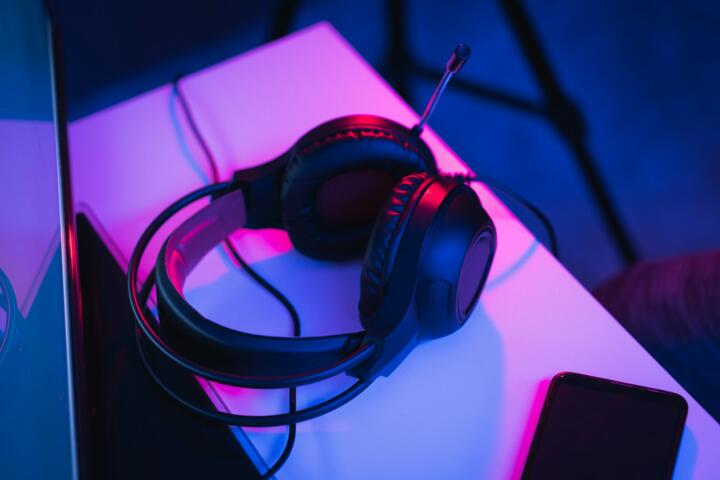
Noise-canceling headphones reduce ambient sounds by producing inverse sound waves or physically blocking noise. Two types dominate: active noise cancelation (ANC) and passive isolation. For example, ANC can cut down low-frequency hums, like airplane engines or office HVAC systems by approximately 20-30 decibels.
Workers in open-plan offices report background noise levels often exceed 60 dB, which disturbs concentration.
Active noise cancelation requires power, typically batteries, while passive isolation depends on ear cup design and padding. Think of it like sunglasses for sound—some glasses block light, others electronically adjust it.
Common Focus Barriers
Many expect noise-canceling headphones to make every sound vanish, but they don’t. ANC struggles with sudden, sharp sounds like keyboard clicks or coworkers’ chatter. This leads to frustration: you hear less noise but new distractions emerge.
Using headphones for long hours also carries hidden costs. Ear discomfort, overheating, and even communication barriers crop up. People may miss calls or alerts because of the headphone’s isolation. A friend of mine lost a client email for this very reason in 2022.
The cheapest models often underperform, adding to distraction instead of reducing it. Expecting magic from $50 headphones leads to disappointment and wasted money.
Choosing a Solution
Assess Your Noise Type
Start by identifying office noise characteristics. Continuous sounds like air conditioning benefit more from ANC. If conversations dominate, passive noise isolation might work better.
When I recently tested a 2023 Bose QuietComfort 45, it excelled at humming noise but less so with chatter.
Prioritize Comfort Over Features
Comfort affects usage length. A tightly clamping headset tires ears fast. Models with soft memory foam cushions and adjustable headbands, such as Sony WH-1000XM5, allow multitasking for hours without strain.
Check Battery Life Against Work Hours
Some ANC headphones provide 20-30 hours of charge. If you work 8 hours daily, a 20-hour battery may last two or three days unplugged, eliminating mid-day recharges.
Mind Connectivity Options
Bluetooth models offer mobility but introduce latency, sometimes affecting call quality. Wired connections reduce latency — which matters in conference calls or audio editing.
Look for Transparency Modes
Transparency or ambient modes let outside noise in temporarily. This is helpful for brief talks without removing headphones, or catching safety alerts. Apple AirPods Max offer this with clear sound quality, a handy practical feature often overlooked.
Balance Price with Experience
Expensive headphones often bring polished sound, better ANC, and durability, but simpler models cover the basics. I tried Jabra Elite 85h at $250; it gave decent noise cancelation and pleasant sound quality for half the cost of pricier competitors.
Consider Durability and Warranty
Headphones smooth to cheap squeaks and hinge failures after months. Brands like Sennheiser or Bose offer 1-2 year warranties, along with replaceable parts, extending lifespan beyond 3 years of daily use.
Test Sound Quality for Calls
Noise cancelation should not degrade voice clarity. A midsize team I worked with rejected three headphones due to muffled microphone audio, settling on Plantronics Voyager Focus with crisp call quality.
Adjust ANC Levels
Some headphones let you fine-tune ANC strength. This helps preserve situational awareness—limit noise cancelation so you don’t become oblivious to coworkers or announcements.
Real-World Examples
A tech startup in Seattle faced productivity drops due to an open office layout and chatty teams. They invested in Sony WH-1000XM4 headphones for their 30 developers. Within a month, reported focus time rose by about 40%, and complaints about noise dropped by 65%. The headphones’ battery life and comfort made this possible.
A marketing agency tried cheaper models under $80, hoping they’d cut down busy office sounds. The result? Few employees used them past a week—ear fatigue and poor noise cancelation caused headaches.
Headphones at a Glance
| Model | Battery Life | ANC Quality | Call Clarity |
|---|---|---|---|
| Sony WH-1000XM5 | 30 hours | Excellent | Good |
| Bose QC 45 | 24 hours | Very good | Good |
| Jabra Elite 85h | 36 hours | Good | Very good |
| Plantronics Voyager Focus | 12 hours | Fair | Excellent |
| Apple AirPods Max | 20 hours | Very good | Good |
Errors to Avoid
Buying headphones based solely on price almost always backfires. The cheapest model is a noise illusion machine; you hear less noise but more discomfort.
Avoid neglecting fit tests before purchase. If possible, try headphones on for at least 30 minutes to evaluate pressure and heat buildup.
Do not ignore the charging logistics. If you must recharge daily but forget to plug in, your investment gathers dust.
Failing to adjust ANC settings for your environment can cause odd sensations or incomplete noise blocking.
Assuming Bluetooth works flawlessly everywhere leads to dropouts in busy Wi-Fi zones—and it rarely works the way the docs say.
FAQ
Can noise canceling headphones block all office noise?
No, they excel at consistent low-frequency sounds but struggle with sudden or high-pitched noises like typing or conversations.
Are wireless headphones better than wired for calls?
Wired headphones reduce latency and connection drops but sacrifice mobility. Wireless models are convenient but may have audio lag.
How long should battery last for work use?
A 20+ hour battery life covers a full workweek without charging, fitting most professional routines.
Is ANC harmful for hearing?
No evidence suggests ANC damages hearing. Actually, they can reduce the need for high volume playback, lowering ear strain.
What affects call microphone quality?
Microphone placement, noise cancelation tech, and device compatibility all influence voice clarity. Test before committing.
Author's Insight
After testing over a dozen ANC headphones across real offices, I learned comfort and reliability trump fancy features. ANC is impressive at cutting hums but doesn’t erase human voices. I often switch between passive and active modes depending on the task. Don’t underestimate battery life—it’s the silent productivity killer when ignored.
Key Takeaways
Noise-canceling headphones offer tangible focus benefits but they cost more than money: comfort, battery stamina, and sound quality shape their value. To choose well, evaluate your workplace noise, test fit, and verify call performance. Skip hype and trust firsthand experience to guide investments. Focus comes at a price, but it pays off when done right.